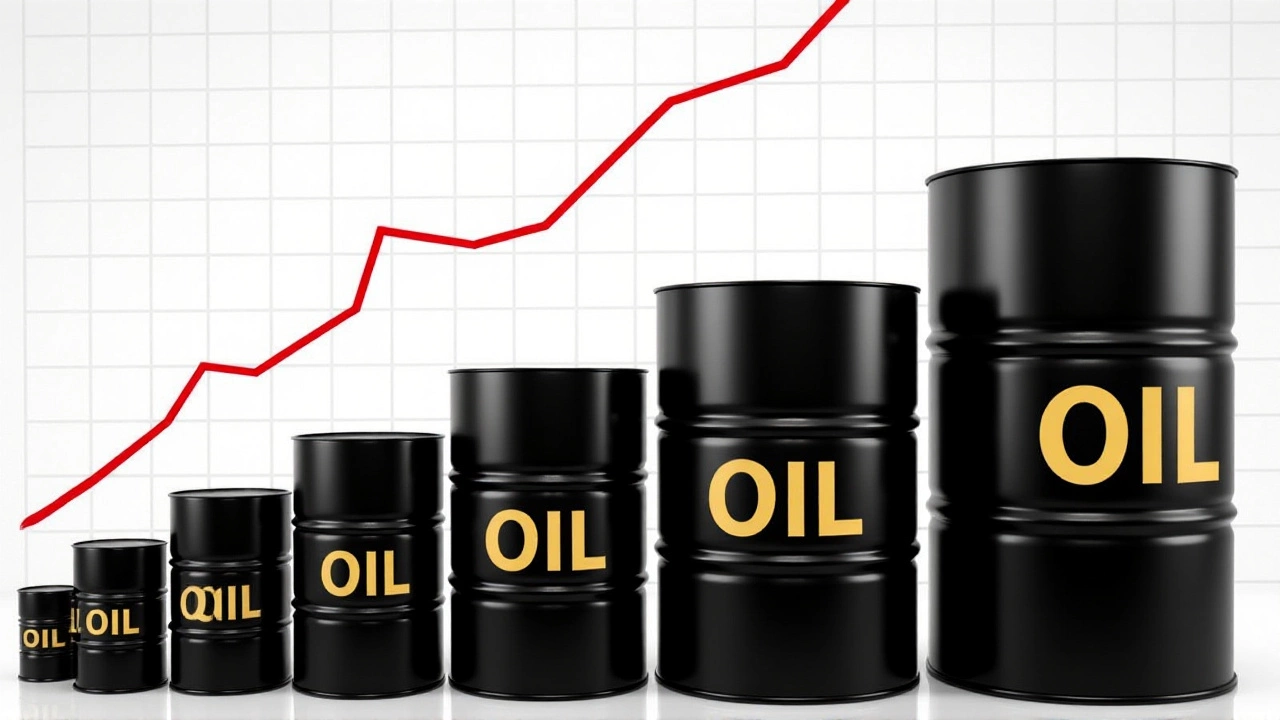
Oil markets are jittery. While reports of a specific nuclear plant attack driving prices to a two-week high remain unverified, the broader reality is stark: crude oil costs are surging amid escalating tensions between Iran and Israel. This isn't just speculation; it's a tangible shift in global energy economics driven by fear.
The immediate trigger? Not a confirmed strike on a reactor, but the palpable threat of wider conflict. Recent news segments from outlets like Network18 (identified by the tag N18G) have highlighted this volatility, asking viewers if crude has become too expensive during the "war." The question marks are gone now; the price hikes are real.
The Geopolitical Spark
Here’s the thing: markets hate uncertainty more than they hate bad news. When you have two regional powers locked in a standoff, with Ayatollah Ali Khamenei, the Supreme Leader of Iran, making hardline statements, traders panic. They don't wait for the first shot to be fired. They price in the risk immediately.
The connection between Middle Eastern instability and your gas pump is direct. Any threat to shipping lanes in the Strait of Hormuz or potential disruptions to production facilities sends ripples through the supply chain. Even without a physical attack on a nuclear facility, the *fear* that one might occur is enough to push benchmarks like Brent Crude upward. It’s a psychological tax on energy.
Market Reaction and Price Volatility
While specific dollar-per-barrel figures fluctuate minute-by-minute, the trend line is clear. Analysts note that whenever rhetoric heats up between Tehran and Jerusalem, oil futures spike. This isn't new behavior—it’s historical pattern recognition. Remember the 2019 tanker attacks? Or the 2020 assassination of Qasem Soleimani? Each event caused immediate, sharp rallies in oil prices.
Currently, we’re seeing a similar dynamic. The lack of concrete data regarding a "two-week high" linked specifically to a nuclear attack suggests that media headlines may be conflating general war risks with specific incidents. However, the outcome is the same: higher costs. Refiners are hedging against future shortages, passing those costs down to consumers. You feel it at the station before you read about it in the paper.
Why the Nuclear Narrative Matters
So why the focus on nuclear plants? Because they represent the ultimate escalation point. A strike on a nuclear facility isn’t just an economic disruption; it’s an environmental and humanitarian catastrophe waiting to happen. The mere suggestion that such a target is on the table raises the stakes exponentially. It transforms a border skirmish into a potential global crisis. Investors aren't just buying oil; they're buying insurance against chaos.
Global Implications Beyond the Region
This isn't isolated to the Middle East. The ripple effects touch every major economy. Inflation rates, which were finally showing signs of cooling, face renewed pressure. Central banks watch these geopolitical developments closely, knowing that energy shocks can derail monetary policy goals faster than any interest rate hike.
Furthermore, the involvement of the United States adds another layer of complexity. Hashtags linking the conflict to an "Iran-America war" reflect public anxiety about broader entanglement. If Washington is drawn deeper into the conflict, sanctions could tighten, further restricting supply and keeping prices elevated for months, not just weeks.

What Experts Are Saying
Energy analysts warn that while short-term spikes are common, sustained highs depend on actual supply disruptions. "Markets react to headlines," says one veteran trader, "but fundamentals dictate long-term trends." Unless pipelines are cut or ports are blockaded, prices may correct once the immediate fear subsides. But right now, fear is the dominant fundamental.
The details of any specific attack remain unclear. Without verified footage or official confirmation from intelligence agencies, much of the current narrative is speculative. Yet, speculation is a powerful force in commodity trading. It moves billions of dollars daily.
Looking Ahead: What’s Next?
We’ll be watching three key indicators. First, diplomatic channels. Any backdoor talks between regional powers could ease tensions quickly. Second, military movements. Satellite imagery often reveals troop buildups before they hit the news. Third, OPEC+ meetings. If producers decide to ramp up output to counteract demand fears, prices could stabilize.
For now, brace for volatility. The era of cheap, stable energy seems paused, held hostage by geopolitics. Until de-escalation occurs, the market will remain on edge, reacting to every tweet, statement, and rumor from the region.
Frequently Asked Questions
Did a nuclear plant attack actually cause the recent oil spike?
There is no verified evidence of a nuclear plant attack causing the recent price surge. Reports linking a specific nuclear strike to a two-week high in crude prices appear to be unconfirmed or conflated with broader tensions between Iran and Israel. The primary driver remains geopolitical risk and fear of escalation rather than a confirmed physical incident at a nuclear facility.
How does the Iran-Israel conflict affect global oil prices?
The conflict creates uncertainty around energy supplies in the Middle East, a critical region for global oil production. Traders anticipate potential disruptions to shipping routes like the Strait of Hormuz or damage to infrastructure. This leads to preemptive buying of oil futures, driving up prices even before any physical supply chain issues occur.
Who is Ayatollah Ali Khamenei and why is he mentioned in oil news?
Ayatollah Ali Khamenei is the Supreme Leader of Iran. His statements and decisions directly influence Iran's foreign policy and military actions. Since Iran is a major oil producer and a key player in regional stability, his rhetoric often signals shifts in geopolitical risk, which investors monitor closely as it impacts crude oil market sentiment.
Will oil prices drop if tensions ease?
Historically, yes. Oil prices are highly sensitive to geopolitical risk premiums. If diplomatic breakthroughs occur or military posturing decreases, the "fear factor" diminishes, often leading to a rapid correction in prices. However, long-term levels also depend on global demand and OPEC+ production policies, which operate independently of immediate conflicts.
Is there a link between this conflict and US-Iran relations?
Yes, the situation is interconnected. Many analyses group the Iran-Israel tension with broader US-Iran hostilities. Escalation in the region often draws in the United States due to its alliances and interests in the Middle East. Potential US involvement can lead to stricter sanctions or military support, further complicating the supply outlook and sustaining higher oil prices.